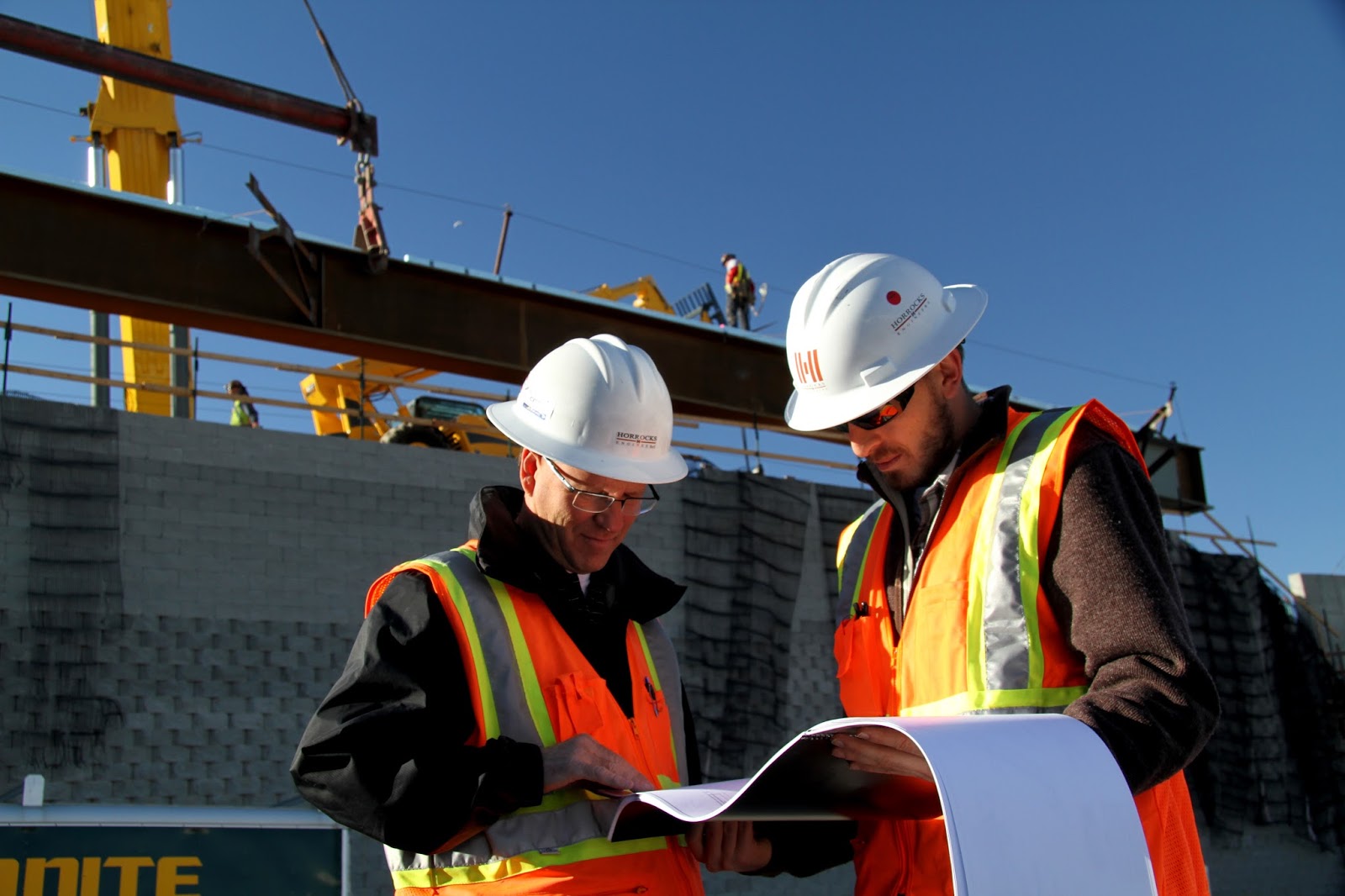
A professional rigger course in Rawalpindi provides hands-on training for individuals who want to work in construction sites, industrial plants, warehouses, and heavy lifting operations. Students learn how to safely handle lifting equipment, inspect slings and shackles, understand load calculations, and follow workplace safety procedures. The course focuses on practical skills that help trainees perform lifting tasks with confidence while reducing the risk of accidents on the job.
Haris Institute : 0334 9064089
What is a Rigger? (Definition & Responsibilities)
A rigger is an individual responsible for the installation of ropes, chains, and lifting equipment to manage heavy loads safely. On construction sites, oil fields, shipyards, or manufacturing plants, riggers are always present to ensure that tasks are completed without incidents.
Significance of Rigging
Take a look around—every major industry relies on riggers. In construction, they position steel beams precisely. In the oil and gas sector, they manage hefty equipment on drilling rigs. In factories, they move large machinery without interrupting production. In shipping, they fasten containers securely before they are transported across oceans. Without riggers, the safe movement of heavy items would be impossible.
The Importance of Certification in Today’s Job Market
Here’s the truth: the job market is competitive, and merely having experience won’t guarantee success anymore. Employers seek evidence that you understand the regulations, the signals, and the safety protocols. A certification serves as that evidence—it acts as a mark that indicates this individual is competent and trustworthy with lifting tasks. With this certification, opportunities arise not only in Pakistan but also in the Middle East, Asia, and beyond.
Levels of Rigger Training
Rigger Level I – Basics
Grasp the basics: load assessment, choosing slings, tying knots, and using crane hand signals. Execute simple lifts safely under supervision. This level lays the groundwork for practical rigging and adherence to safety regulations.
Rigger Level II – Intermediate
Delve into advanced techniques: executing complex lifts, operating cranes, balancing loads, inspecting equipment, and selecting hardware. Work independently, plan lifts, and manage operations with moderate risk.
Rigger Level III – Advanced / Supervisory
Oversee rigging operations: conduct multi-crane lifts, perform tandem operations, engage in offshore rigging, and manage risks. Organize, lead, and oversee teams, ensuring safety and productivity in high-risk environments.
UKQ / UGK / Grade III – Global Certification
Globally recognized. Guarantees expertise in intricate rigging techniques, international safety standards, and leadership skills. Broadens career opportunities in offshore, shipping, construction, and global industrial projects.
Many people choose a rigger course to improve their employment opportunities in local industries and overseas projects. Experienced instructors guide students through real-world lifting scenarios, teaching them how to communicate effectively with crane operators and ground crews. After completing the training, participants gain valuable knowledge that can help them build a successful career in the lifting and rigging industry.
Rigger course in Rawalpindi – Level 1 – Level 2 – Level 3 6th road