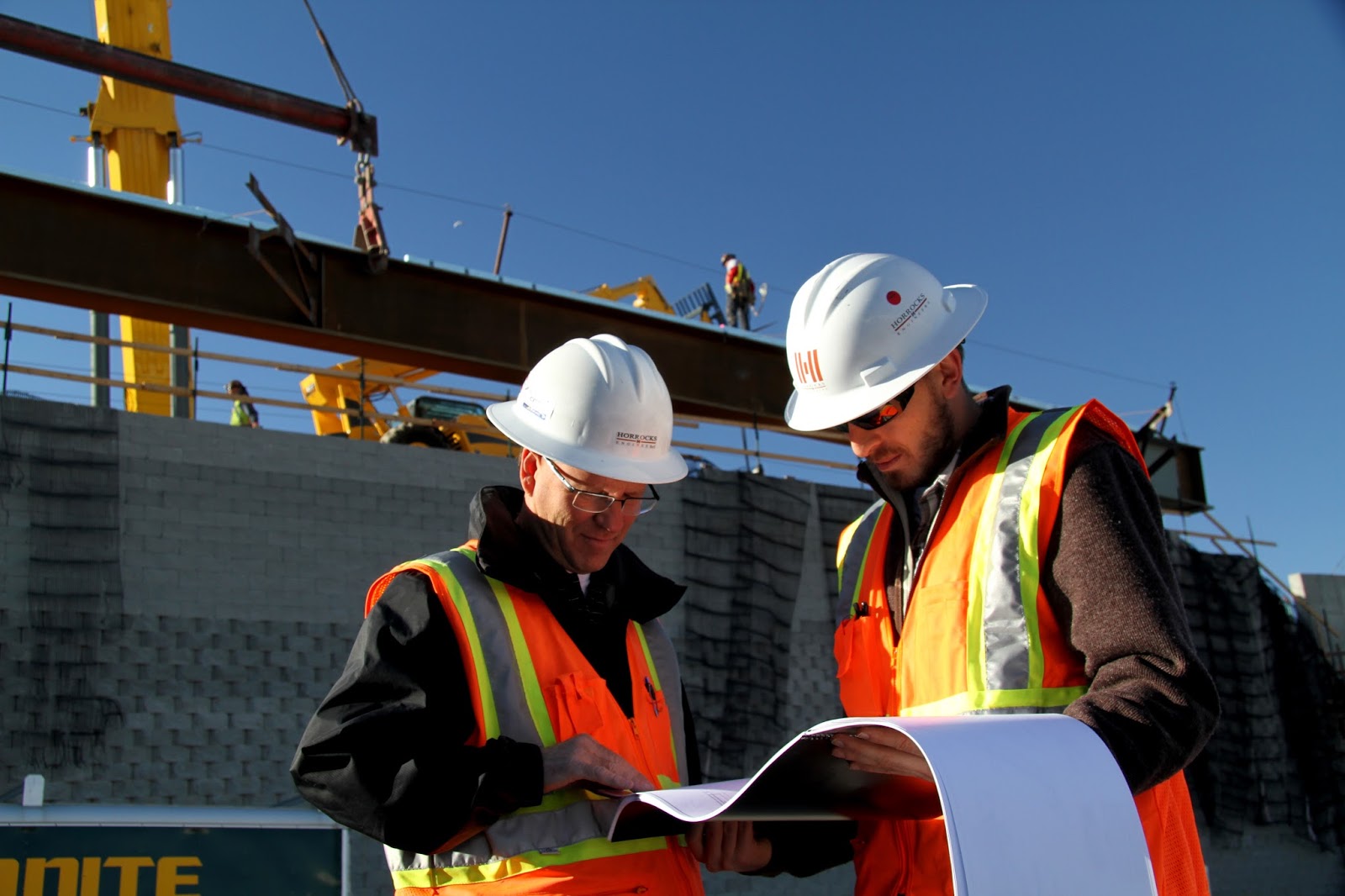
Rawalpindi has become an important education hub for students who want to build strong careers in engineering. With its close connection to Islamabad and access to reputable universities and training institutes, the city offers a wide range of engineering programs that match modern industry needs. From traditional fields to emerging technologies, students can choose courses that provide both technical knowledge and practical skills. Top 10 Engineering Courses in Rawalpindi & Islamabad
Courses List
- AutoCAD
- 3D Studio Max
- Revit
- Loumin
- Land Servay
- Quantity Surveyor
0332-5649993
Among the top engineering courses in Rawalpindi, Civil Engineering remains one of the most popular choices. It is highly demanded due to ongoing construction projects, infrastructure development, and housing societies across Pakistan. Electrical Engineering is another strong option, offering career paths in power systems, renewable energy, and industrial automation. Both fields provide solid job opportunities in the public and private sectors.
Mechanical Engineering and Computer Engineering are also widely pursued by students in Rawalpindi. Mechanical Engineering focuses on design, manufacturing, and machinery, making it ideal for students interested in industrial work. Computer Engineering, on the other hand, combines hardware and software skills and prepares students for roles in system design, embedded systems, and IT-related industries.
In recent years, Software Engineering, Artificial Intelligence, and Data Engineering have gained significant attention. These modern engineering courses are aligned with global technology trends and offer excellent earning potential. Many institutes in Rawalpindi now offer updated curricula, lab facilities, and industry-oriented training to help students stay competitive in the digital job market.
Choosing the right engineering course in Rawalpindi depends on personal interest, market demand, and long-term career goals. Students are advised to consider accredited institutions, experienced faculty, and practical learning opportunities before enrolling. With the right choice and dedication, engineering graduates from Rawalpindi can build successful careers both in Pakistan and abroad.